FGS 1
Brief event’s summary
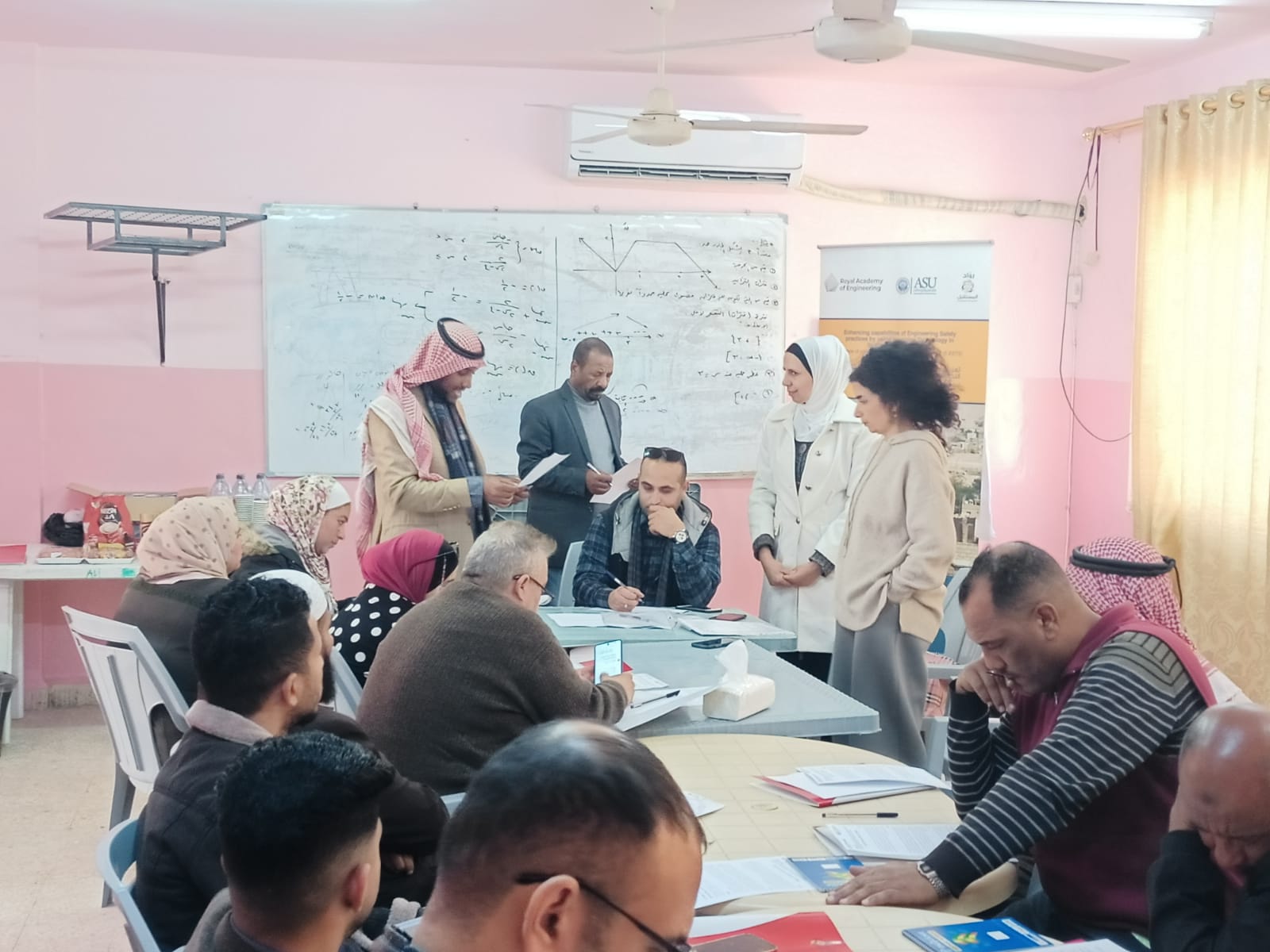
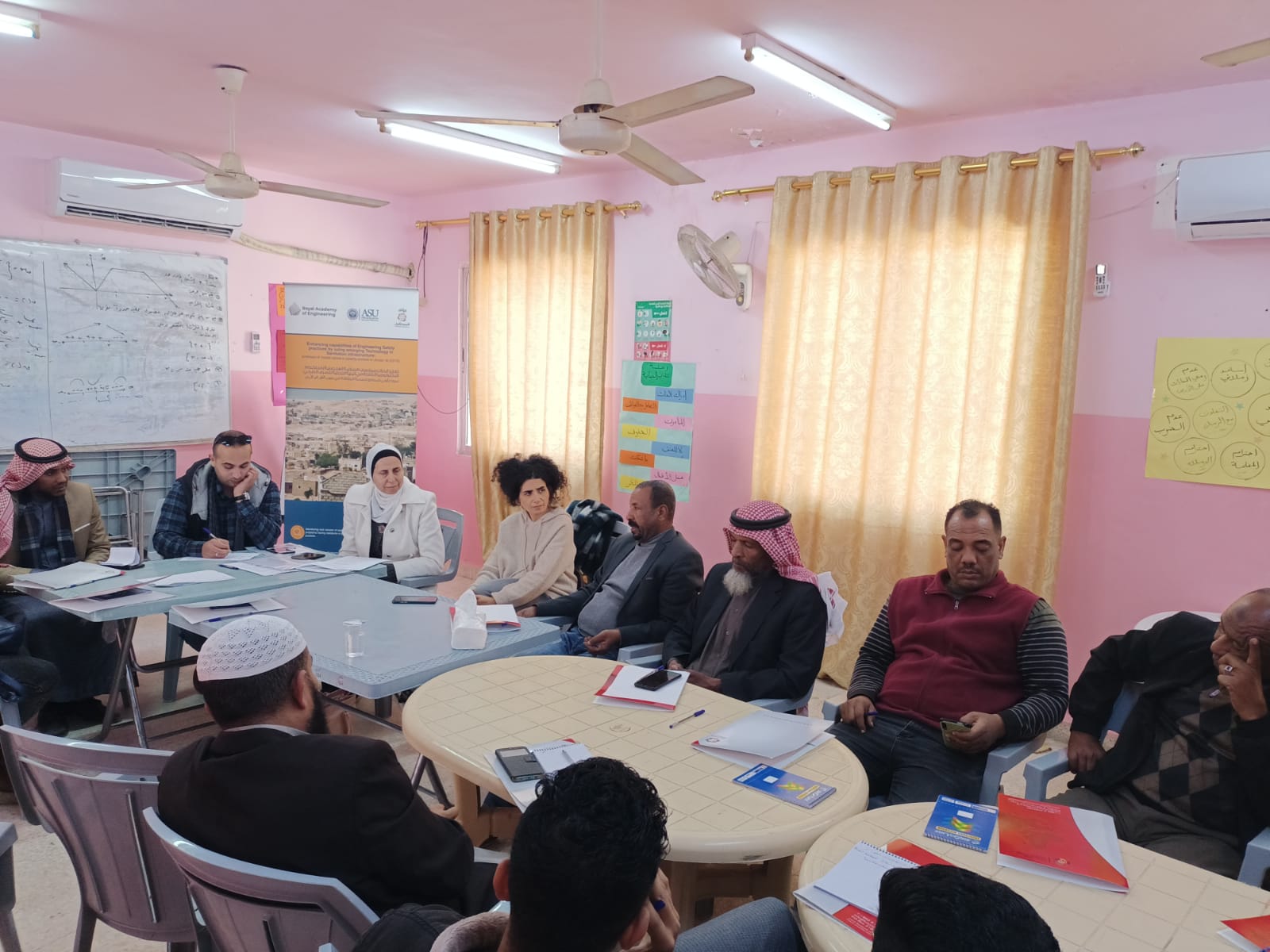
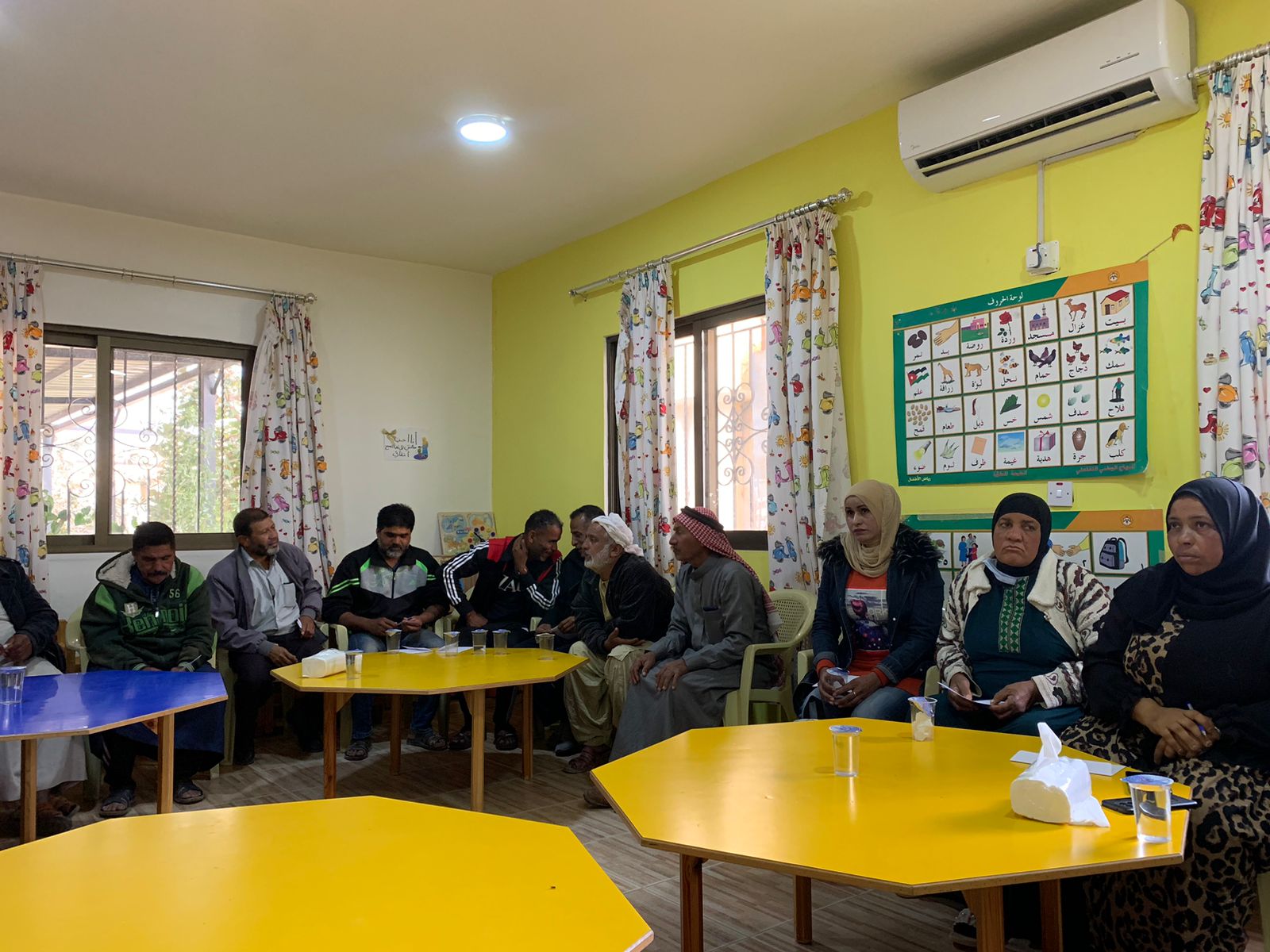
The first focus group discussion aimed to comprehensively assess various aspects of the target area community’s situation, particularly regarding sanitation, water supply, and hygiene. Together with a diverse group of community representatives, the inquiry delved into the demographics and characteristics of the area, including the composition of the local population and the presence of refugees and other vulnerable community groups. Discussions ranged from the geological features impacting groundwater to the socioeconomic dynamics affecting access to sanitation. Key points of interest included identifying vulnerable groups within the population and understanding the formal and informal power structures influencing societal dynamics.
Considerable attention was given to assessing the hygiene situation, water supply sources, sanitation infrastructure, and excreta management practices within the community. These discussions shed light on existing challenges, such as water contamination risks and inadequate sanitation facilities, while also exploring potential opportunities for collaboration with public and private sectors to address these pressing issues.


FGS 2
Brief event’s summary
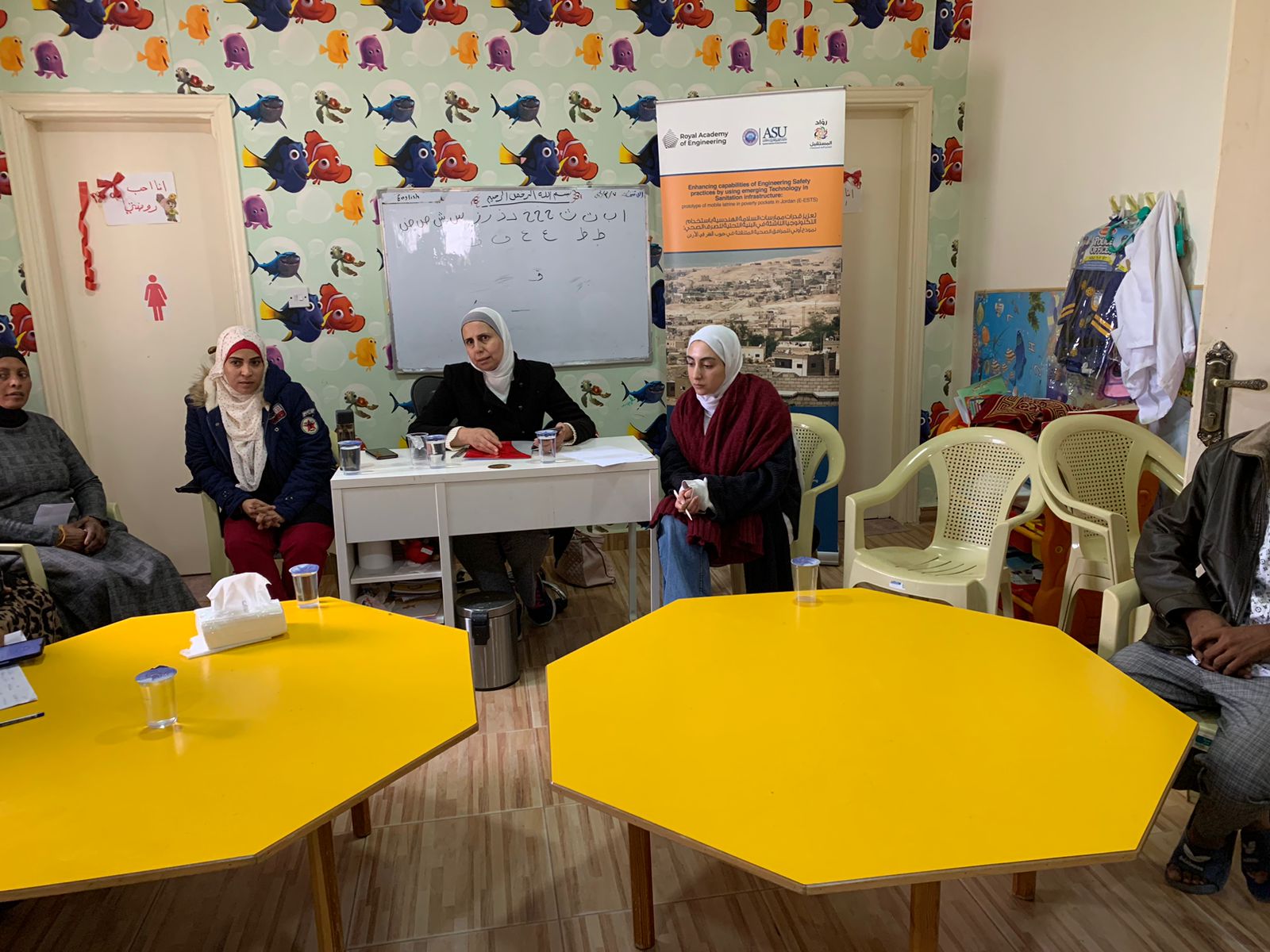
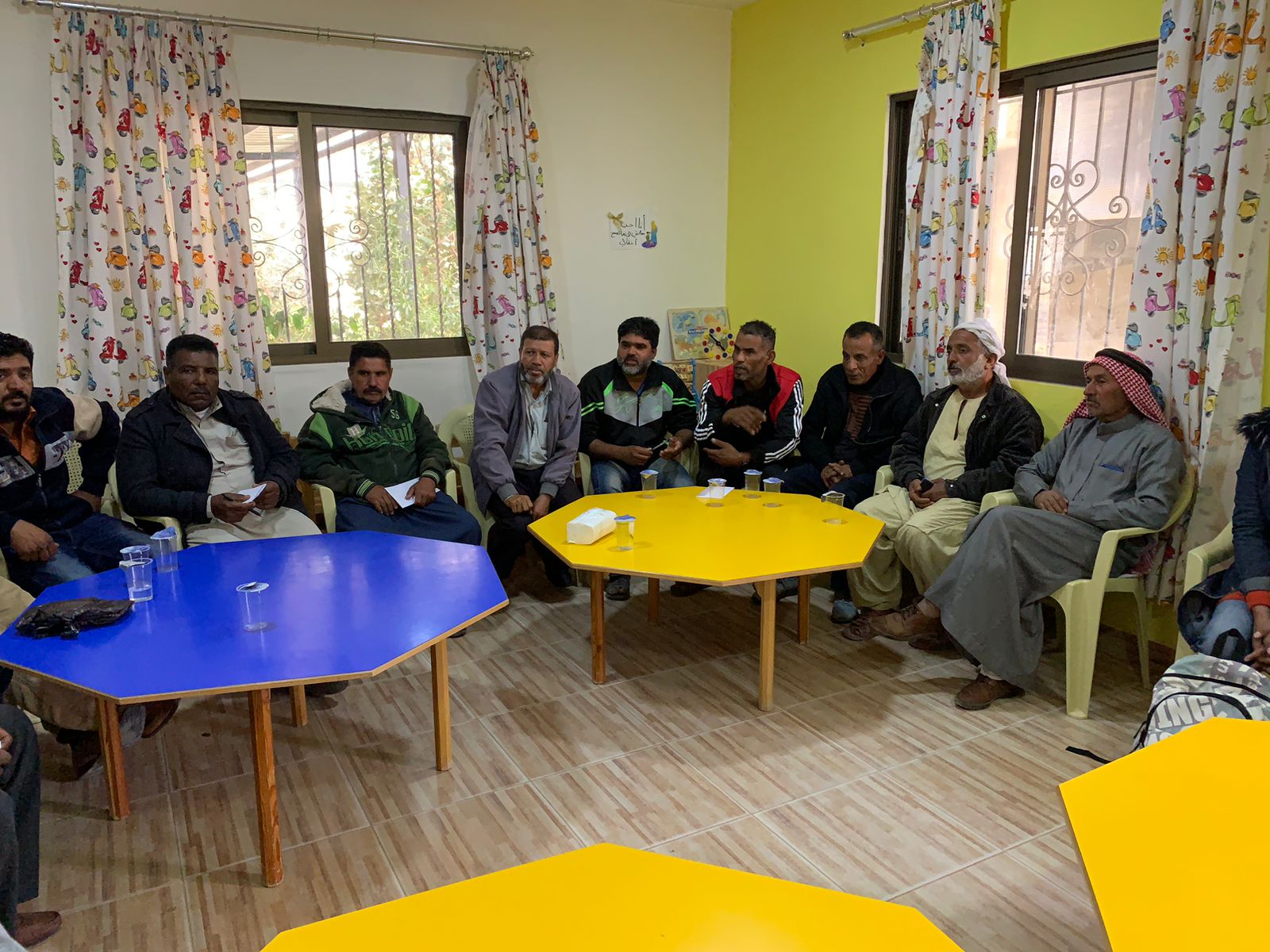
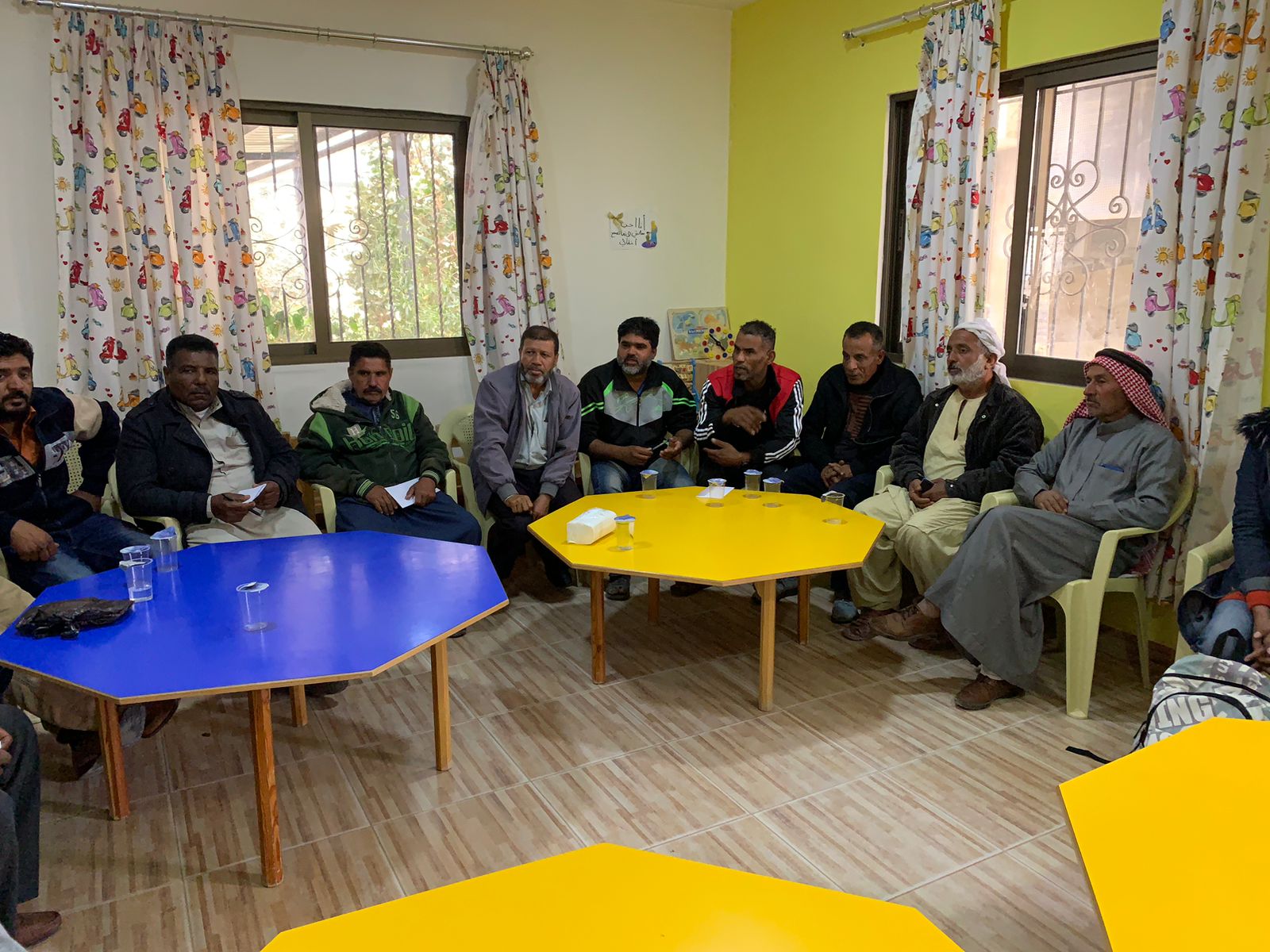
The second focus group discussion aimed to provide an in-depth understanding of the sanitation situation, particularly focusing on less fortunate groups and mobile populations within the local community, including nomadic Bedouins, foreign workers in the agricultural sector, and refugees. The discussions were centered on identifying households lacking access to sanitation and sanitary facilities and assessing the prevalence of shared facilities and communal use among neighbors.
Several pre-defined concerns were raised regarding the structural integrity of homes threatened by poor sanitation infrastructure, particularly cesspits. Other semi-structured discussions were aimed to tackle the specific needs and living conditions of nomadic Bedouins and families residing on agricultural lands, highlighting their potential benefit from mobile sanitation solutions. Furthermore, the discussion addressed the sanitation challenges faced by foreign workers in the agricultural sector and refugees, emphasizing the importance of providing adequate facilities to these vulnerable groups. Furthermore, the session included a section regarding the acceptance and feasibility of implementing mobile sanitation solutions, considering the perspectives and obstacles encountered by various community groups. Recommendations were sought regarding the design, construction, and testing of mobile toilets, aiming to investigate their effectiveness and acceptance within the community.
 EST-S Project